Milan doesn’t sleep; it transforms. When the sun sets over the Duomo, the city shifts from a day-time fashion hub into a sprawling playground of culture and celebration. Unlike other capitals where the party is scattered randomly, the nightlife here follows a specific rhythm and geography. You need to know where to be and when to arrive, or you’ll miss the magic. We aren’t talking about standing in line outside a tourist trap near the train station. We are talking about genuine local experiences, hidden cocktail speakeasies, and high-energy dance floors that define modern Milan nightlife.
This guide cuts through the noise. Whether you want to sip an espresso martini in a historic cellar or lose yourself in a bass-driven club until dawn, there is a precise location for every mood. We break down the districts, the timings, and the unspoken rules so you can walk into any venue with confidence.
The Three Pillars of Milano After Dark
To understand the scene, you first need to grasp the map. The city center is small on paper but large in reality due to how spread out the districts are. Most tourists make the mistake of trying to hop between them too late in the evening when public transport winds down. Instead, pick a zone and commit to it for the night.
The most popular zones cluster around three specific areas, each offering a distinct atmosphere and demographic.
1. Navigli: The Canal Social Hub
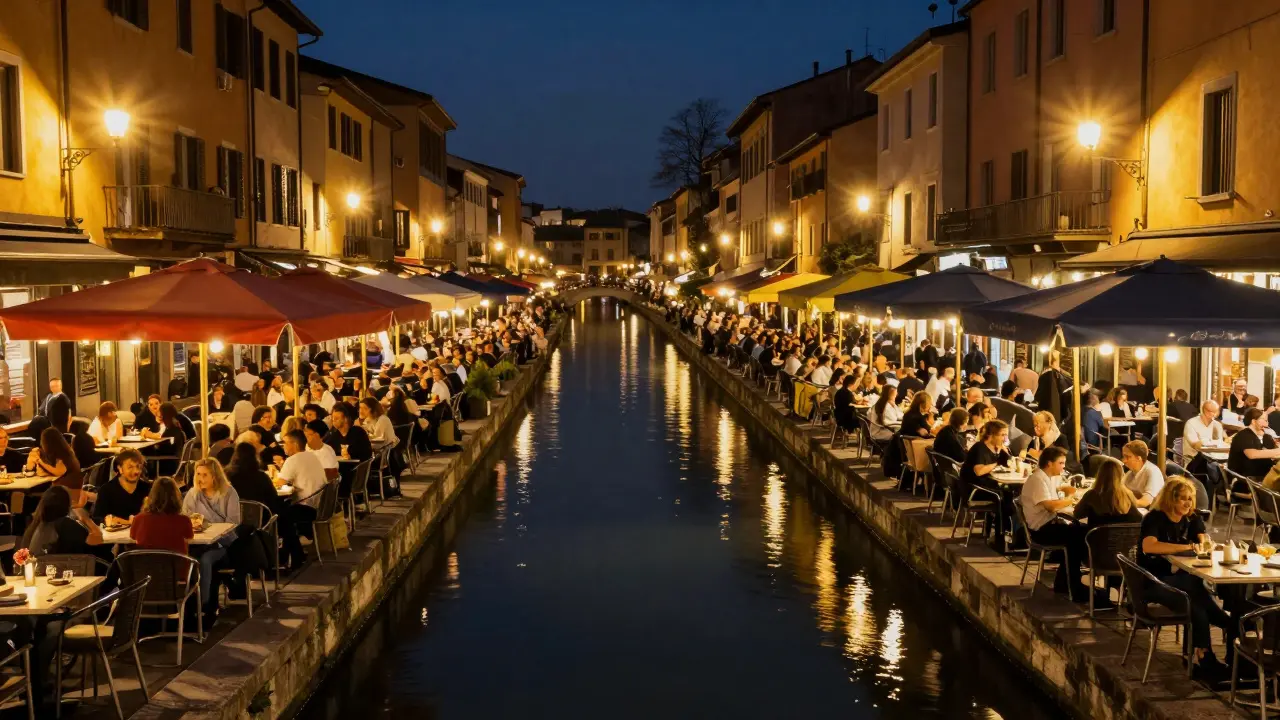
If you love crowds, open-air vibes, and people watching, the Navigli district is non-negotiable. This is the canal district of Milan. Here, the water reflects the lights of dozens of terraces stacked on top of one another. It is less about exclusive VIP lists and more about a massive communal gathering.
- Vibe: Lively, loud, youthful, bohemian.
- What to expect: Large outdoor seating, affordable drinks, and long lines before 10 PM.
- Best for: Groups of friends, casual meetups, first-timers.
You will find beer gardens mixing with wine bars. The density of venues here allows for easy bar hopping. If you run out of space or want a drink change, you literally walk twenty meters to the next spot. However, because this area gets packed on weekends, reservations are almost mandatory if you prefer table service.
2. Brera: The Artistic Cocktail Quarter
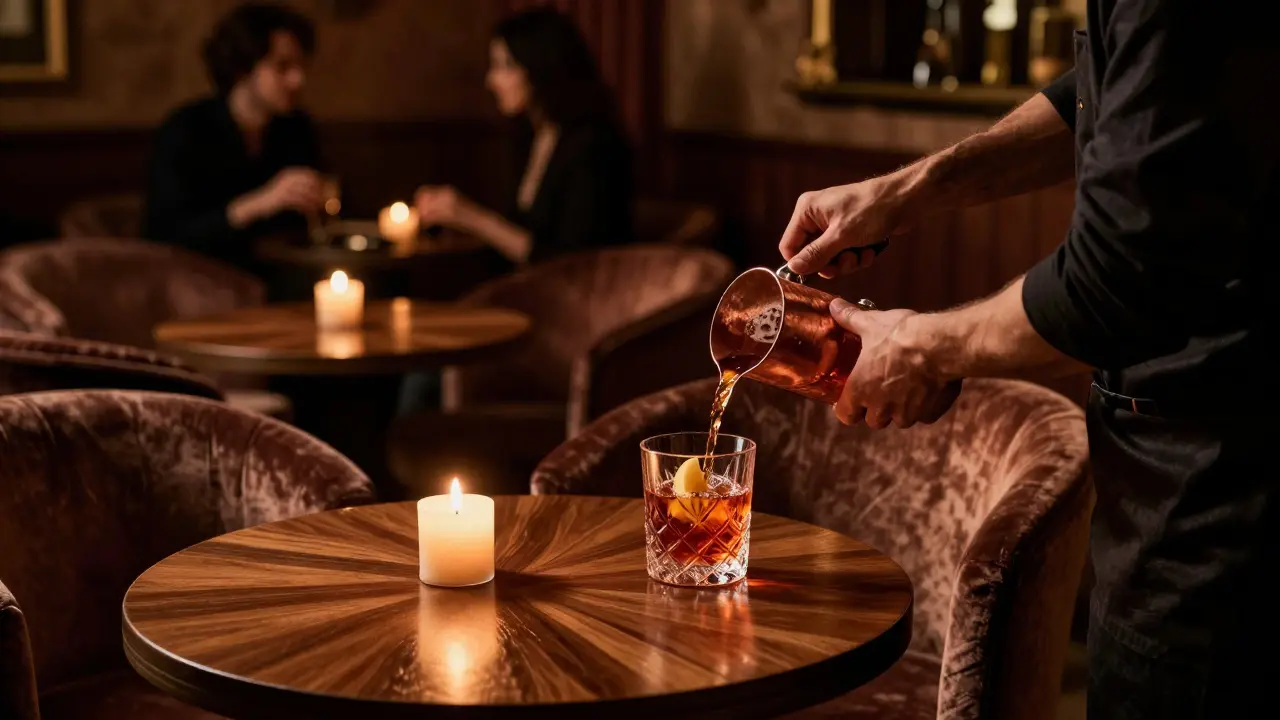
Move west toward Porta Nuova, and the energy changes drastically. Brera is narrower, darker, and far more intimate. Think candlelit tables, velvet sofas, and serious mixologists. This is where locals who care about the quality of their Negroni go. It feels more European and less commercial than Navigli.
- Vibe: Chic, sophisticated, romantic, intellectual.
- What to expect: Higher prices, artisanal cocktails, strict door policies.
- Best for: Date nights, business connections, cocktail enthusiasts.
Walking through Brera feels like moving through a living museum after hours. The cobblestone streets are quiet until you hit a hidden door leading into a buzzing basement lounge. It’s the kind of place where you hear jazz records spinning, not heavy house music. If you want a "speakeasy" experience without leaving Italy, this is your zone.
3. Corso Como & SoHo: The Trendy Mix
This area bridges the gap between the art deco history of Brera and the modern energy of the clubs. Corso Como is famous for its bookstores and design shops that double as party spots. It attracts a slightly older, trendier crowd. You’ll see more people dressed in sharp streetwear rather than traditional suits.
This district often hosts pop-up events and exhibitions that turn into parties later in the evening. It provides a great buffer if you want something more curated than Navigli but perhaps a bit more accessible than some of the private clubs in the financial district.
| District | Atmosphere | Avg. Drink Cost | Best For |
|---|---|---|---|
| Navigli | Loud, Crowded, Outdoor | $$ ($8-$12) | Socializing, Groups |
| Brera | Quiet, Intimate, Indoor | $$$ ($14-$20) | Cocktails, Couples |
| SoHo (Corso Como) | Trendy, Eclectic, Mixed | $$-$$$ ($10-$18) | Art, Fashion, Networking |
The Golden Rule: Master the Aperitivo
You cannot talk about nightlife in Milan without understanding the Aperitivo. It is not just a happy hour; it is a daily ritual that dictates the flow of the evening. Between 6:00 PM and 8:30 PM, bars serve drinks for a fixed price that include access to a buffet of snacks.
This system serves two purposes. First, it hydrates and feeds you before the expensive club pricing kicks in. Second, it is a networking session. You grab an Aperol Spritz or a Campari, take a bag of olives or fries, and mingle. Many locals spend this entire time chatting, only hitting the clubs directly afterward.
If you skip the aperitivo, you pay twice as much per drink and miss the social warm-up. Aim for spots that offer generous buffets, not just a handful of chips.
Understanding the Music and Dance Scene
Once the sun goes down completely, the choice becomes House or Techno versus Live Jazz. Milan has a robust electronic music scene, particularly in the summer months. Large clubs often require advance tickets because capacity limits are strict due to fire safety regulations.
Techno has seen a massive resurgence across Europe in recent years, and Milan has kept pace. Warehouses on the outskirts of the city often host illegal-style raves, which are actually legal temporary structures approved for the weekend. These venues stay open well past midnight. In contrast, the city-center clubs usually close earlier, respecting residential curfew laws unless they have special licenses.
Navigating Costs and Access
Money management is essential. A standard cocktail in Brera runs higher than you might expect in a typical American city. While a coffee costs roughly €3, a signature cocktail can range from €14 to €20 depending on the brandies used. To manage this budget, look for wine bars (“Osteria” style) which offer smaller portions of premium wines at lower price points than dedicated cocktail lounges.
Regarding entry, many clubs utilize a "cover charge" system. This typically ranges from €20 to €30 on weekends, sometimes including a drink voucher. Always ask in advance if the fee includes a welcome beverage. Women often receive discounted or free entry policies to balance the gender ratio inside, but this varies by venue policy.
Transportation and Logistics
Public transit works late, but not all night. The Metro (M1 Red Line, M2 Green Line, M3 Yellow Line) stops operating around 11:30 PM on weekdays and stays open longer on Fridays and Saturdays, usually until 1 AM or even later depending on the holiday schedule. Late-night buses (Navetta) exist but routes are sparse and unreliable if you are drunk.
Taxis are available but difficult to hail on street corners in crowded areas like Navigli. Ride-hailing apps are increasingly regulated in Italy, so having a backup plan (Uber Black, FreeNow, or a registered local taxi app like IT Taxi) is smart. Walking from Brera to the Duomo takes 20 minutes; walking from Navigli can take 40 minutes. Know your starting point.
Frequently Asked Questions
Is nightlife in Milan safe for solo travelers?
Generally, yes. Central districts like Brera and Navigli are heavily patrolled and populated late at night. Petty theft (pickpocketing) is the main risk, especially on trams or in crowded queues. Keep bags zipped and avoid flashing expensive jewelry. Avoid deserted metro stations alone after midnight.
What time do clubs usually open in Milan?
True clubbing starts late. Most doors open around 11:30 PM or midnight, and the floor doesn’t get full until 1:30 AM. Smaller bars close earlier, often by 2 AM or 3 AM, while major discotheques run until sunrise (5 AM or 6 AM).
Do I need to dress up for clubs in Milan?
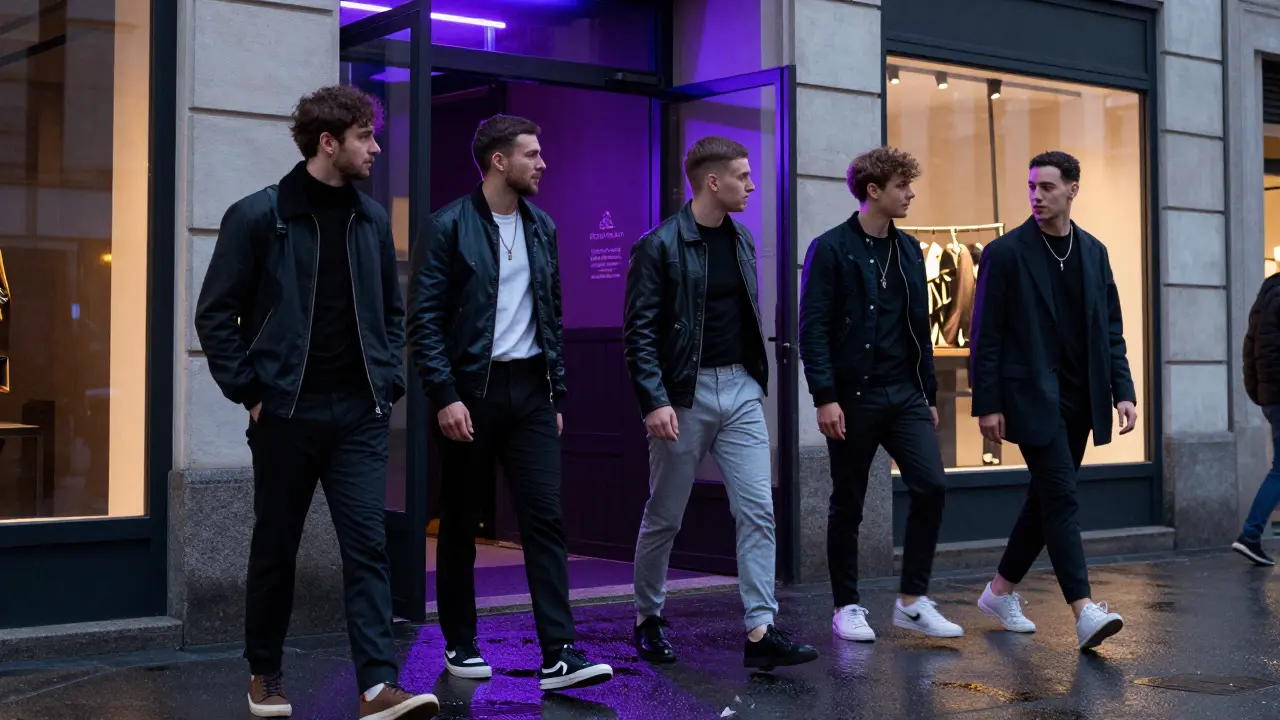
Absolutely. Milan is one of the most fashion-conscious cities in Europe. "Smart casual" is the bare minimum for men (no shorts or sportswear). High-end clubs enforce dress codes strictly; wearing sneakers instead of leather shoes can result in denied entry regardless of the price of the ticket.
Can I pay by card at bars?
Most upscale venues and bars accept credit/debit cards. However, always carry cash for smaller venues, bathroom fees (rarely asked now but still exist), or tips. Some bars also limit the transaction amount for contactless payments.
Are there LGBTQ-friendly areas in Milan?
Yes. While the city is very inclusive generally, the Portello area and certain spots along Via dei Barbieri are known hubs for queer nightlife. Many mainstream bars in Brera and Navigli are also openly welcoming, reflecting the city’s progressive values.
Your night in the city ends when you decide it does, provided you know the rules of the road. With the right preparation regarding zones and timing, you won’t just visit Milan-you’ll feel part of it.


Written by Marcus Everstone
Hello, my name is Marcus Everstone and I am an expert in the world of escorting. Having been in the industry for several years, I have gained a wealth of knowledge in this field. I enjoy sharing my experiences and insights by writing about the escort scene in various cities around the globe. My goal is to help both clients and escorts navigate this exciting and often misunderstood world. My writings reflect my passion and expertise, offering valuable information to those interested in learning more about the escort industry.
All posts: Marcus Everstone